🗺️

Member Resource

Istanbul City Guide

Practical, vetted resources for getting around and settling into Istanbul — put together by the Smileys team and updated regularly.

👋

Visiting Istanbul first?

Tell members your dates — locals will reach out before you arrive.

🚇

Getting Around

6 items
IstanbulkartEssential

The must-have reloadable transit card. Works on metro, tram, bus, ferry and funicular. Tap-to-pay everywhere.

💡 Buy at any metro station kiosk for ₺70 (card deposit). Reload at machines or the app. Saves ~35% vs cash fares.

Dolmuş

Shared minibuses running fixed routes. Cash only, extremely cheap. Tell the driver your stop and pay when you get off.

💡 No apps for dolmuş — learn the route from locals. Great for short trips where metro doesn't reach.

Funicular & Cable Car

F1 funicular (Kabataş ↔ Taksim), F2 (Taksim ↔ İstiklal). Teleferik cable cars in Eyüp and Maçka park.

💡 Istanbulkart works. F2 is the famous nostalgic tram on İstiklal Caddesi — lovely but slow.

📱

Essential Apps

6 items
🏠

Housing

6 items
Typical Rental Costs2025 Est.

1-bed in Cihangir/Beyoğlu: ₺25,000–55,000/mo. Kadıköy/Moda: ₺20,000–45,000/mo. Beşiktaş/Nişantaşı: ₺40,000–80,000/mo. Emerging areas (Eyüp, Bağcılar): ₺12,000–22,000/mo.

💡 Prices rise fast. Fully-furnished flats list at a premium (20–40% above bare). Negotiate hard — most landlords expect it.

What to Expect

Standard lease is 12 months. Deposit is typically 1–2 months rent. Utilities (elektrik, su, doğalgaz) are billed separately. Many buildings have an aidat (building maintenance fee).

💡 Ask for the contract in English or get a translation. Always confirm if bills are included (eşyalı = furnished, faturalar dahil = bills included).

Traps to AvoidRead This

Fake listings reusing photos from other properties. Agents asking for fees upfront before showing. Landlords who won't provide a formal contract (kira sözleşmesi).

💡 Always verify the landlord owns the property (ask for tapu — title deed). Meet in person before paying anything. Use bank transfer, not cash, for the deposit.

🍽️

Food & Drink

6 items
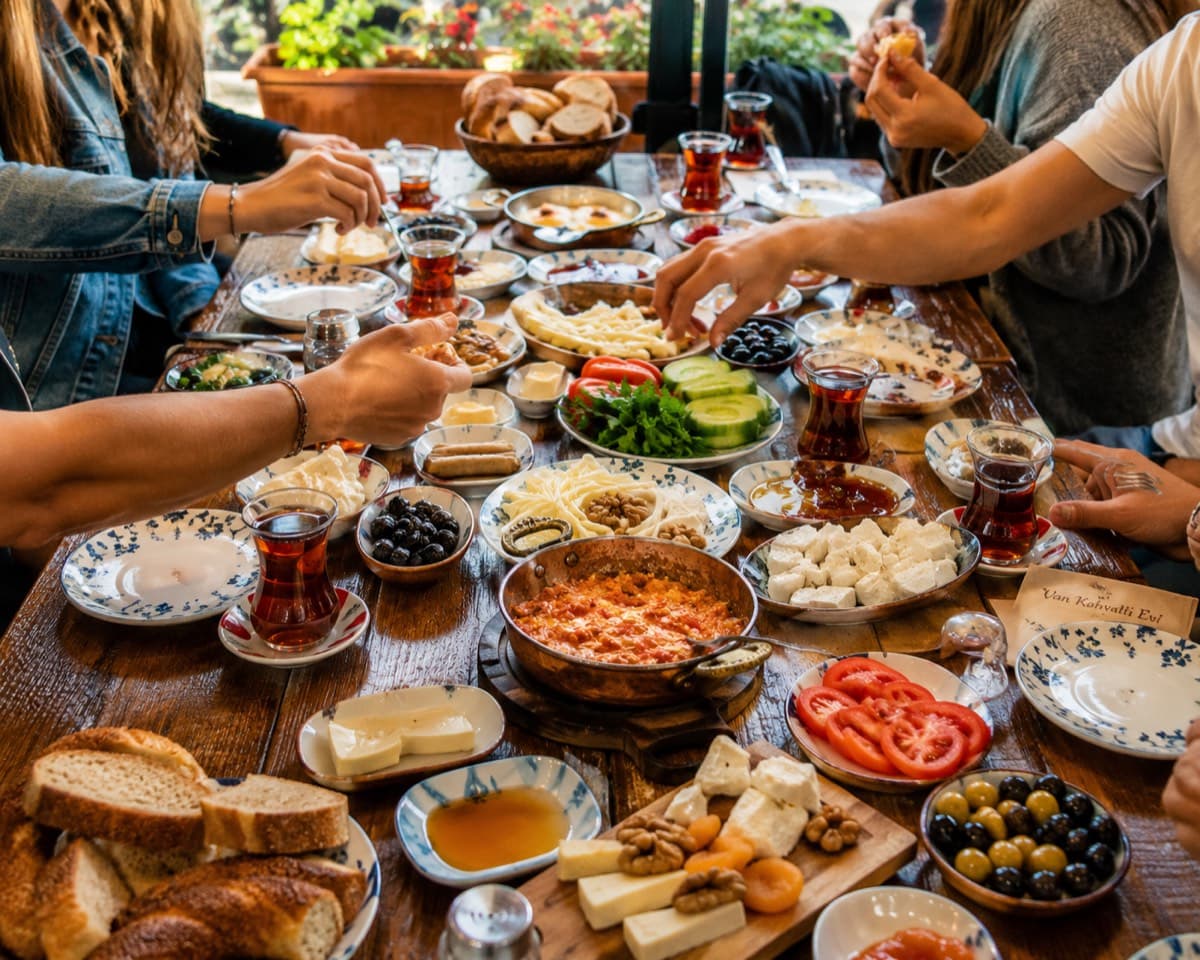
Turkish Breakfast (Kahvaltı)Must Try

A weekend ritual. Spread of cheeses, olives, tomatoes, cucumbers, eggs, honey, clotted cream, and börek. Normally served until early afternoon.

💡 Best areas: Kadıköy, Cihangir, Van (the city known for its kahvaltı culture). Budget ₺200–400pp at a sit-down place.

Street Food EssentialsMust Try

Simit (sesame bread ring, ₺10–15), balık ekmek (fish sandwich on Eminönü waterfront, ₺100), kestane (roasted chestnuts in winter), midye (stuffed mussels).

💡 Midye — squeeze lemon on each mussel and pay per piece at the end. A great street snack at ₺10–15 each.

Markets

Kadıköy Çarşı: best everyday food market on the Asian side. Mısır Çarşısı (Spice Bazaar, Eminönü): spices, Turkish delight, dried fruit. Kapalıçarşı (Grand Bazaar): souvenirs and textiles.

💡 For fresh produce at local prices, use the neighbourhood pazar (street market) — each area has one on a different day of the week.

Alcohol & Rakı Culture

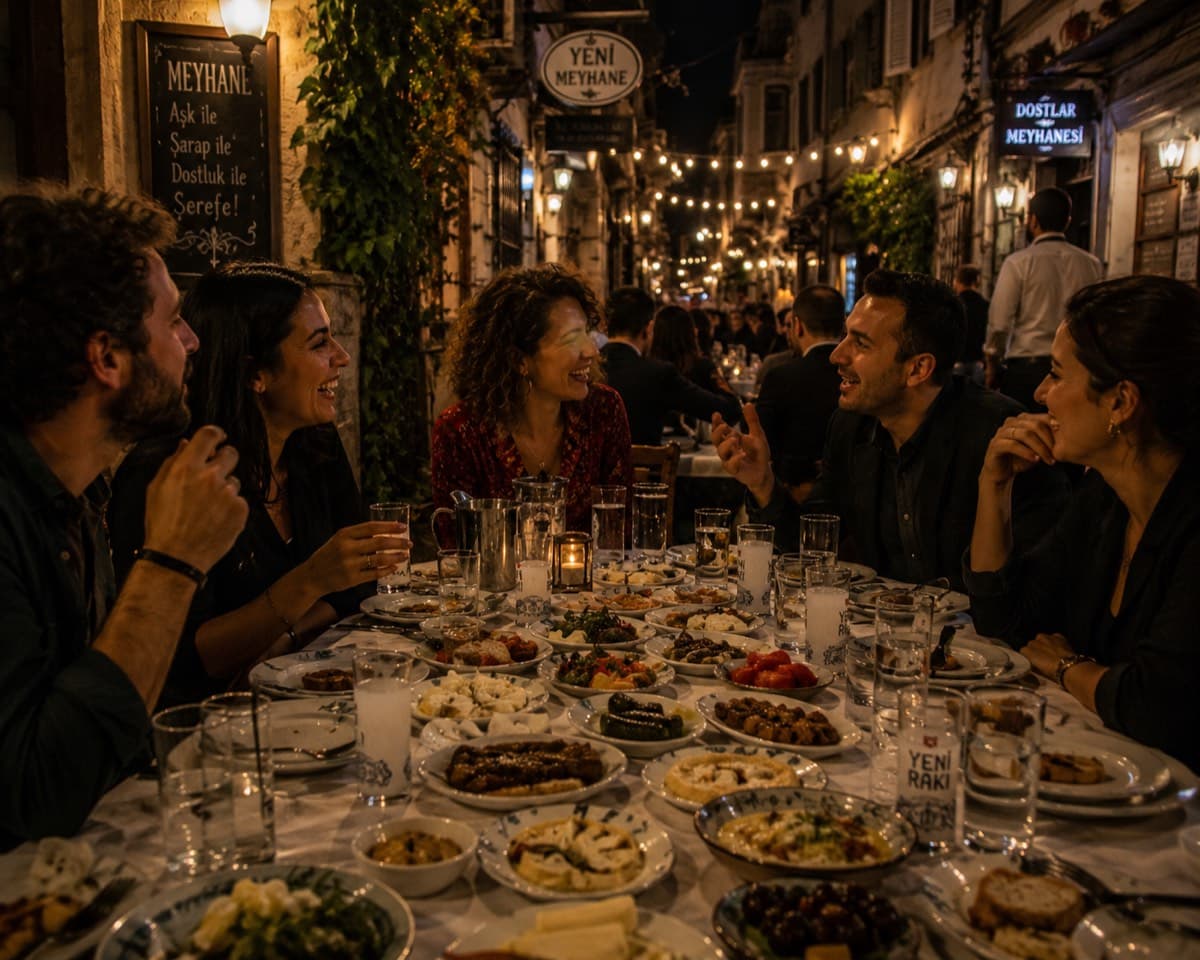
Turkey produces good wine (especially Thrace and Cappadocia regions) and Efes beer. Rakı is the national spirit — anise-flavoured, diluted with water. Meyhane restaurants are the traditional setting.

💡 Alcohol is only sold in licensed shops and restaurants. Supermarkets cannot sell alcohol between midnight and 06:00. Prices are high due to taxes — budget ₺200–400 for a beer in a bar.

Coffee CultureAdmin Pick

Istanbul has an excellent specialty coffee scene alongside traditional Turkish coffee (türk kahvesi). Neighborhoods like Karaköy, Cihangir, and Nişantaşı have dense café clusters.

💡 Turkish coffee is unfiltered — don't drink the last sip. Ordering 'az şekerli' (little sugar) or 'şekersiz' (no sugar) is respected.

💼

Co-working & Remote Work

6 items
Café Working Culture

Istanbul cafés are generally very laptop-friendly. No pressure to leave, outlets at most tables, decent Wi-Fi. Kadıköy, Cihangir, Karaköy, and Nişantaşı have the densest options.

💡 Order every 1.5–2 hours and you're welcome to stay all day. Specialty coffee spots often have faster Wi-Fi than chains.

Internet & Connectivity

Istanbul has excellent fibre internet infrastructure. Most apartments and cafés offer 100–500 Mbps. Get a local SIM for 4G/5G backup (Turkcell is most reliable).

💡 Some services are throttled or blocked (Discord, certain VoIP). Set up a VPN before arriving — downloading from Turkey can be slow.

Time Zone & Working with Europe

Istanbul is UTC+3. 1 hour ahead of most of Europe, 8 hours ahead of US East Coast. Works well for European clients with morning Istanbul time = late night Europe.

💡 Turkish public holidays differ from European ones. Check the calendar at the start of each month to avoid surprises.

🛠️

Practical Info

6 items
SIM CardDo First

Buy a Turkcell tourist SIM at the airport or any Turkcell store. 30-day unlimited data plans from ~₺500.

💡 Foreign phones must be registered within 120 days or they'll be blocked on Turkish networks. Ask the store about IMEI registration.

Currency & ATMs

Turkish Lira (TRY). Use ATMs from major banks: Garanti, İş Bankası, Yapı Kredi. Avoid airport exchange booths.

💡 Many restaurants and shops prefer cash. Always carry some TRY. Revolut and Wise work great here for card payments with interbank rates.

Emergency NumbersSave These

112 — Ambulance & Fire 155 — Police 156 — Gendarmerie 158 — Coast Guard

VPN

Some platforms are throttled or intermittently blocked in Turkey (Discord, some social media). A reliable VPN is recommended.

💡 Mullvad and ProtonVPN work well. Set up before you arrive — download speeds from Turkey can make VPN setup slow.

Language Tips

Turkish is phonetic — pronunciation is consistent once you learn it. Most younger locals in expat areas speak English.

💡 'Teşekkürler' (teh-shek-kür-ler) = Thank you. 'Merhaba' = Hello. Learning a few words goes a long way with locals.

🛂

Visa & Residence

Updated May 20266 items
Required Documents

Passport (6+ months validity), biometric photo, address registration (yerleşim belgesi), private health insurance (one year), proof of accommodation, financial means proof.

💡 Bank statements showing ~USD 6,000/year are typical. Notarised rental contract or a hotel reservation both work for address proof.

Private Health Insurance

A 1-year policy from a Turkish insurer (around ₺3,000–8,000/year) is mandatory for the permit. Foreign policies usually rejected. Major providers: AXA, Anadolu Sigorta, Allianz.

💡 Buy through a broker (acente) — same policy, often cheaper than going direct, and they help with the paperwork in English.

Renewal & Conversion

Apply for renewal 60 days before expiry. After 8 years of continuous residence you can apply for long-term residence or citizenship through investment / marriage / time-based tracks.

💡 Don’t leave Turkey for more than 120 days/year on a short-term permit — breaks continuity for long-term eligibility.

🩺

Healthcare

Updated May 20266 items
Private Hospitals (Expat Standard)Admin Pick

Acıbadem, Memorial, American Hospital, Florence Nightingale, Liv Hospital. International standards, English-speaking staff, modern facilities. Walk-ins accepted at most.

💡 Acıbadem and American Hospital have the deepest expat experience. Cash prices for a GP visit run ₺2,000–4,000 without insurance.

Pharmacies (Eczane)

On every corner, marked with a red E. Pharmacists are highly trained and can dispense many things over-the-counter that need a prescription elsewhere (antibiotics, etc.).

💡 Look for the green/red “Nöbetçi” sign for the 24-hour pharmacy in your district. Each neighbourhood rotates duty nightly.

Dental Care

Excellent and significantly cheaper than Western Europe or the US. Cleanings ₺1,000–2,000; implants and cosmetic work also widely available. Many clinics cater to medical tourists.

💡 Ask members for clinic recommendations — quality varies widely. Avoid the Sultanahmet “dental tourism” strip unless you know the dentist personally.

Mental Health & Therapy

English-speaking therapists are available, mostly in Beşiktaş, Şişli, and Kadıköy. Sessions ₺1,500–3,000. Online platforms (Tovuti, Hiwell) connect you to Turkish-licensed therapists.

💡 BetterHelp and other foreign platforms work too if you prefer a non-Turkish therapist — same cost as anywhere.

Emergency: 112Essential

Single number for ambulance, fire, police, all emergencies. Operators usually speak some English. Private hospitals will dispatch their own ambulance if you call them directly.

💡 For non-emergencies, Uber to the private hospital is faster and cheaper than waiting for a public ambulance.

🏦

Banking & Money

Updated May 20266 items
Opening a Turkish Bank AccountEssential

Requires your residence permit + tax number (vergi numarası). Major banks for expats: Garanti BBVA, İş Bankası, Yapı Kredi, DenizBank. Account usually opens same-day.

💡 Garanti has the best English app and is the most foreigner-friendly. Bring originals: passport, permit, tax number, proof of address.

Tax Number (Vergi Numarası)Do this first

Free, 10 minutes at any tax office (vergi dairesi). Required for almost everything: bank account, phone contract, utilities, property purchase.

💡 Get this BEFORE your bank/residence permit appointment. The Beyoğlu tax office is the most foreigner-friendly in central Istanbul.

Using Foreign Cards

Visa/Mastercard work everywhere. Withdraw from major bank ATMs (Garanti, İş, Yapı Kredi) to avoid sketchy fees. Watch for “dynamic currency conversion” — always choose Lira.

💡 Wise and Revolut both have good Lira rates and no hidden FX margin — easier than transferring to a Turkish account for small amounts.

Currency & Exchange

Lira (TRY) is volatile — check the rate the day you exchange. Döviz büfeleri (exchange booths) in Sirkeci, Kapalıçarşı, and Aksaray have the best rates. Avoid airport and hotel desks.

💡 Big amounts? Negotiate — anything over ~USD 5,000 usually gets you a slightly better rate at the booth.

Taxes for Foreign Income

After 6 months of residence in Turkey you’re considered a tax resident. Worldwide income theoretically taxable. Most expats with remote foreign jobs use a tax accountant (mali müşavir).

💡 Ask members for a recommended mali müşavir who handles expats — fees ₺2,000–5,000/year, well worth avoiding mistakes.

📶

Mobile & Internet

Updated May 20266 items
SIM Cards (Tourist vs Resident)Essential

Tourist SIM at the airport: ₺1,800–2,500 for 20 GB, valid 30 days. Resident plan (after permit + tax number): ₺200–500/month for unlimited. Turkcell, Vodafone, Türk Telekom are the big three.

💡 Phones brought from abroad get IMEI-blocked after 120 days unless registered with customs (₺20,000+ fee). Plan for a local handset or eSIM if staying long.

Best Carrier for ExpatsAdmin Pick

Turkcell has the widest coverage and best English app. Vodafone is often cheapest for data-heavy plans. Türk Telekom for fibre + mobile bundles if you have a fixed address.

💡 Switch carriers any time — number portability works the same day. Use it to negotiate when your contract renews.

Home Internet (Fibre)

Türk Telekom, TurkNet, Superonline, and Vodafone Net all offer fibre. 100 Mbps starts around ₺400/month; 1 Gbps in covered areas around ₺900. Installation 3–10 days.

💡 Check Türk Telekom’s coverage map before signing — fibre is everywhere central but spotty in newer outskirts.

VPN Notice

Some sites and apps are intermittently throttled (Discord voice, certain Telegram channels, the .com Wikipedia at times). Most expats run a paid VPN as default.

💡 NordVPN, Mullvad, ProtonVPN all work reliably. Free VPNs are unreliable here — pick a paid one.

Wi-Fi Etiquette

Cafes, malls, and metro stations have free public Wi-Fi — usually requires SMS verification to a Turkish number. Many cafes share the password verbally if you ask.

💡 Avoid banking on public Wi-Fi without a VPN. Mobile data is so cheap in Turkey it’s often easier to just tether.

😊

Living in Istanbul?

Smileys is a curated community of locals and expats hosting events across Istanbul every week. Apply to join — it's free.

Apply to join →

Already a member? Sign in