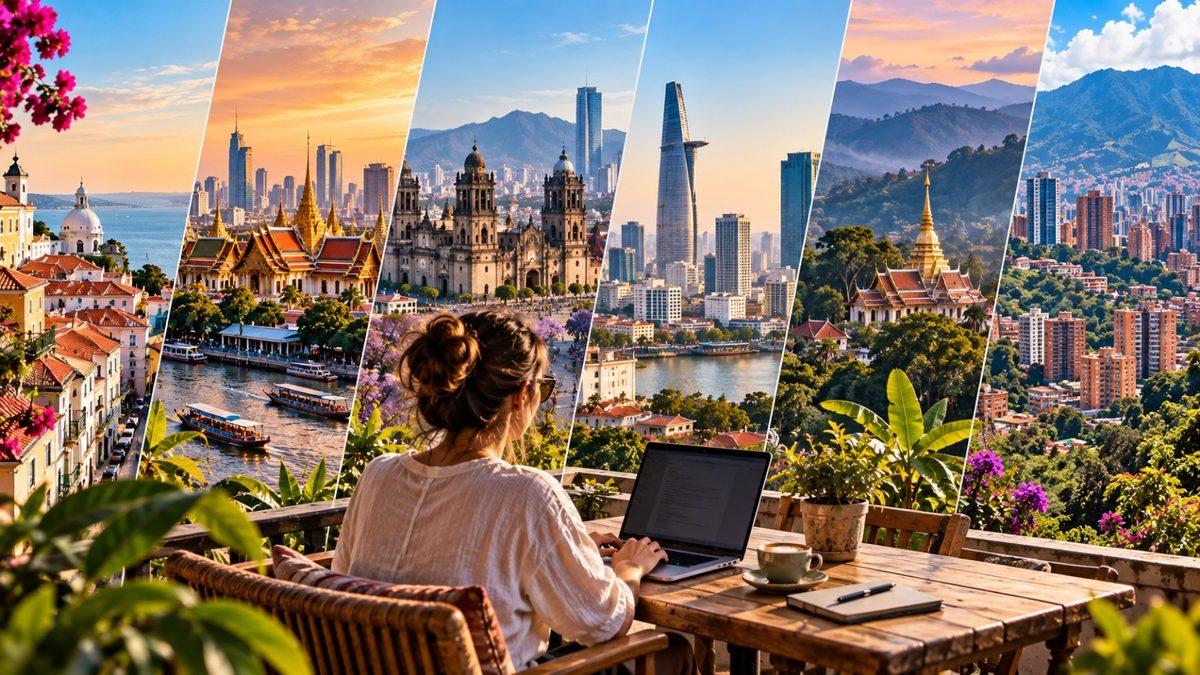
Beyond the Office: Six Cities Changing How Digital Nomads Live and Work
From Lisbon to Chiang Mai, location-independent professionals are redefining where they call home. But the future of remote work is about more than affordable living and reliable Wi-Fi.
Nate
Published 14 October 2026 · 👁 44 views
For generations, people moved to wherever the jobs were. Building a successful career often meant living in an expensive city, commuting to an office, and organizing life around a fixed workplace.
Remote work has changed that relationship.
Today, millions of professionals have greater freedom to choose where they live. Some are leaving expensive cities, others are exploring different countries, and many are questioning whether traditional ideas about work and home still make sense.
A recent Inc. article by Kimanzi Constable highlighted Lisbon, Bangkok, Mexico City, and Ho Chi Minh City as destinations attracting American digital nomads.
But the movement extends far beyond those four cities and beyond Americans.
Remote Work Is Changing the Rules
According to MBO Partners’ 2025 Digital Nomads Trends Report, approximately 18.5 million American workers identified as digital nomads, representing a 153% increase since 2019.
Of those, approximately 11.2 million held traditional jobs, demonstrating that location-independent work is no longer limited to freelancers and entrepreneurs.
Not all these professionals have moved abroad. Many travel domestically, while others divide their time between countries.
What connects them is the growing ability to choose where they live without necessarily changing how they earn a living.
Six Cities Shaping the Digital Nomad Lifestyle
1. Lisbon, Portugal — Europe’s International Hub
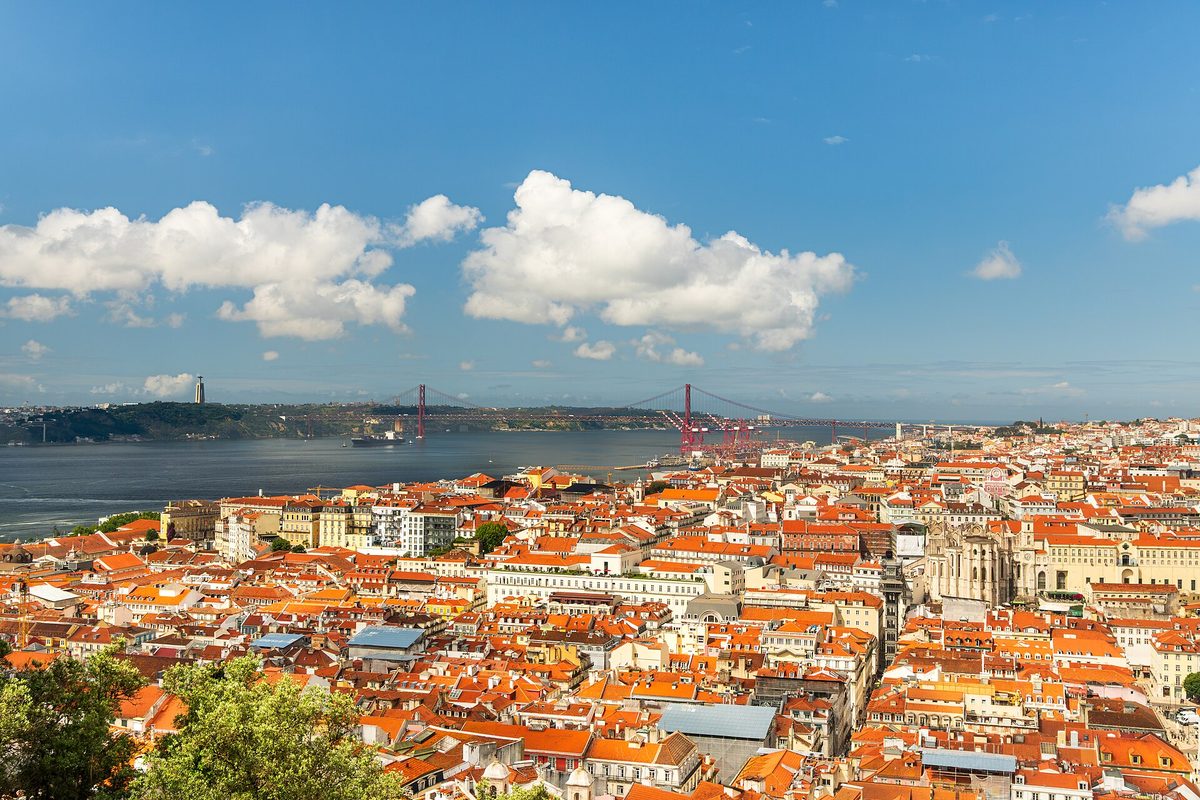
Photo: NorbertNagel via Wikimedia Commons, CC BY-SA 4.0
Lisbon offers coworking spaces, European connectivity, a mild climate, and an established international community.
Portugal also provides residence pathways for qualifying remote workers. However, rising rents and housing pressures have made Lisbon considerably less affordable than its earlier reputation suggested.
2. Bangkok, Thailand — Big-City Convenience and Global Connections
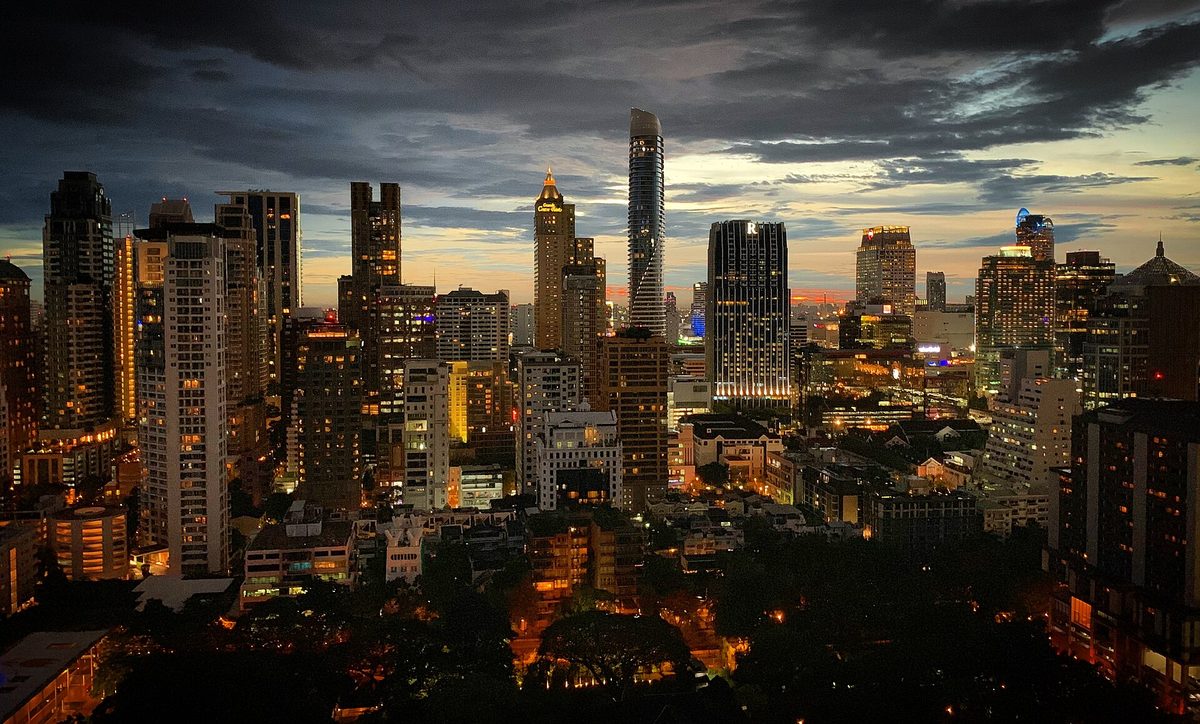
Photo: Sergei Gussev via Wikimedia Commons, CC BY 4.0
Bangkok combines modern infrastructure, diverse accommodation, coworking spaces, and access to destinations throughout Southeast Asia.
Thailand’s Destination Thailand Visa has expanded options for eligible remote workers. Traffic congestion, air quality, and international time-zone differences remain important considerations.
3. Mexico City, Mexico — Culture and North American Connectivity
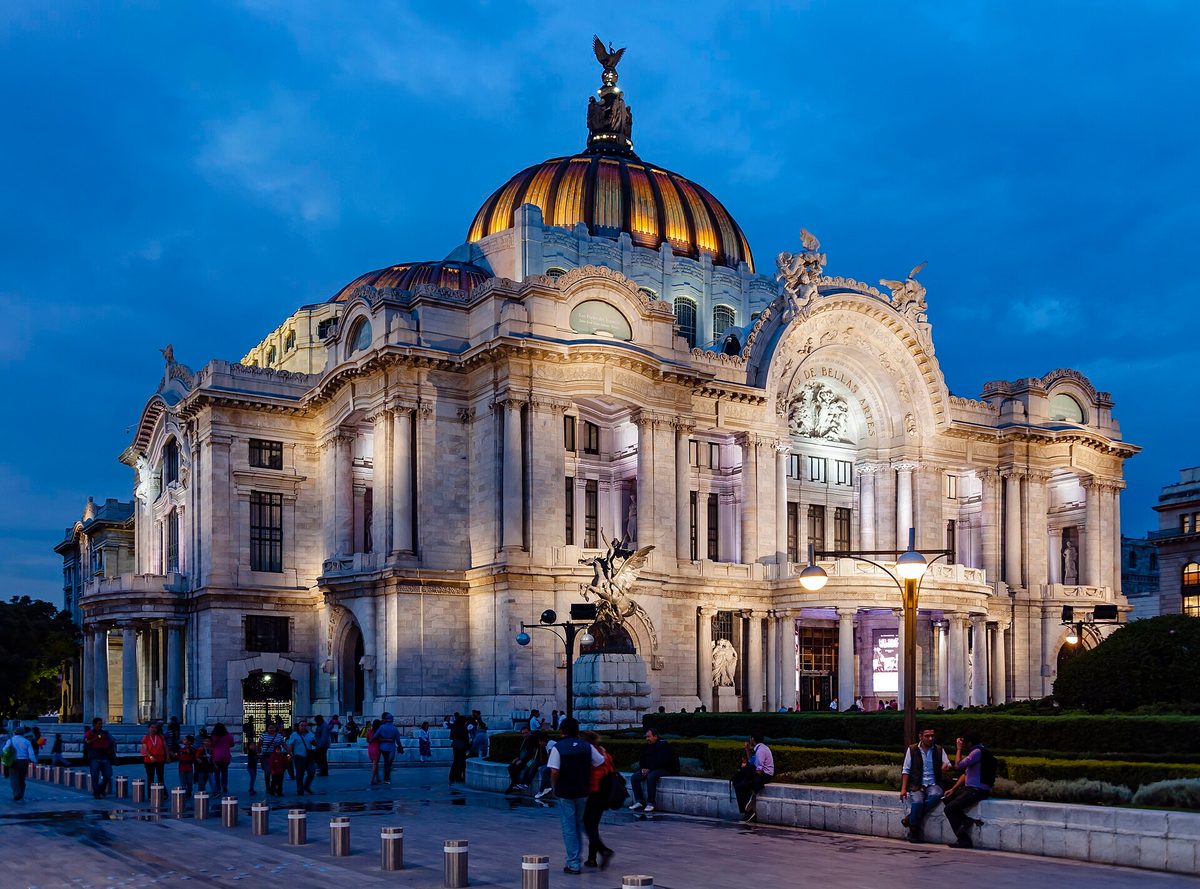
Photo: Daniel Case via Wikimedia Commons, CC BY-SA 3.0
Mexico City is attractive to professionals working with American and Canadian companies because of its compatible time zones.
Its restaurants, creative industries, and lively neighborhoods add to the appeal. But rising rents in popular districts have also sparked debates about housing affordability and displacement.
4. Ho Chi Minh City, Vietnam — Entrepreneurship and Opportunity
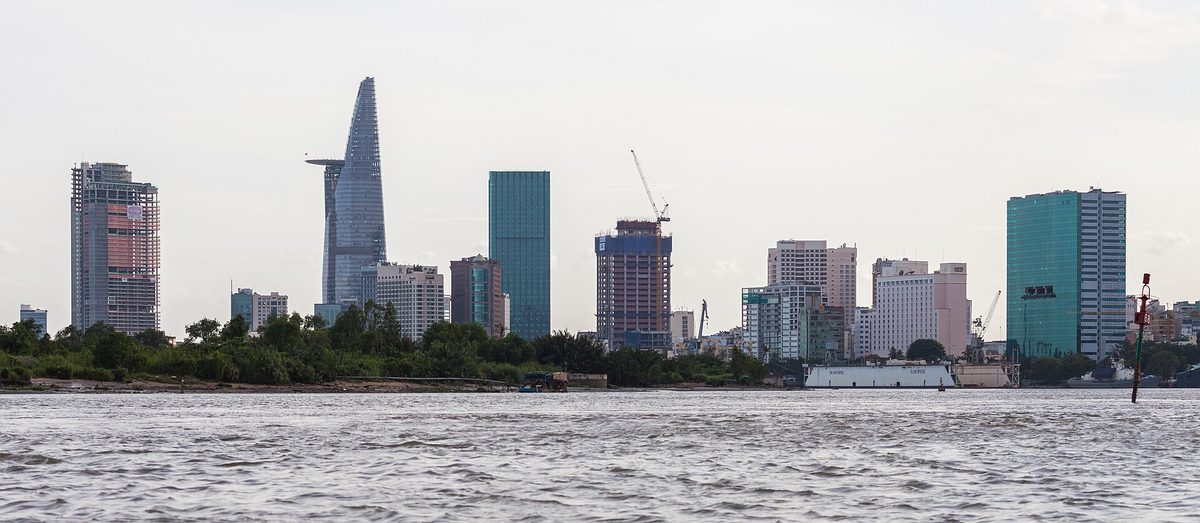
Photo: Diego Delso via Wikimedia Commons, CC BY-SA 3.0
Vietnam’s largest commercial center appeals to entrepreneurs and remote professionals interested in Southeast Asia’s business environment.
Its café culture, energetic lifestyle, and comparatively manageable daily expenses are attractive. However, tourist entry permission does not automatically authorize long-term residence or employment.
5. Chiang Mai, Thailand — A Longtime Remote-Work Favorite
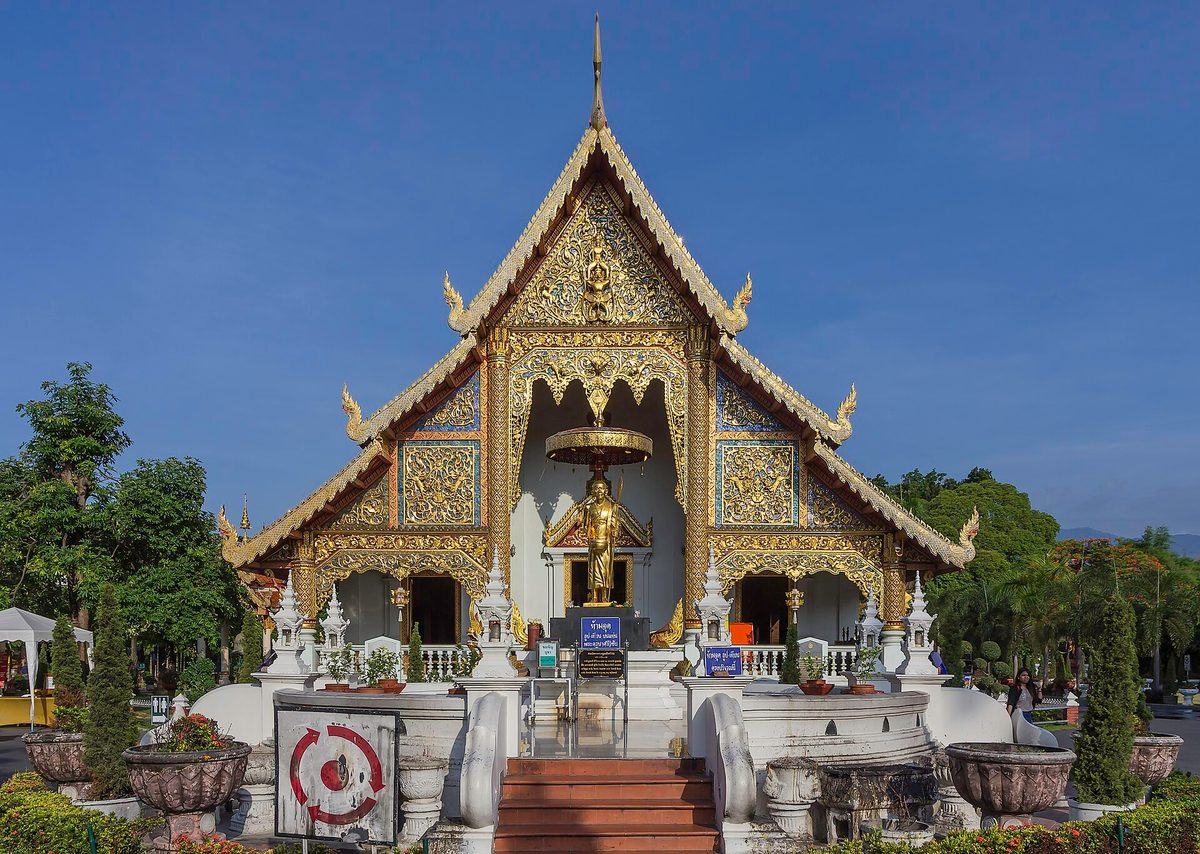
Photo: Stefan Fussan via Wikimedia Commons, CC BY-SA 3.0
Chiang Mai has attracted location-independent professionals for years, thanks to its coworking culture, international networks, and generally lower living costs than Bangkok.
Its relaxed atmosphere appeals to people seeking a slower pace of life. However, seasonal agricultural burning and severe air pollution can make parts of the year challenging.
6. Medellín, Colombia — Climate, Creativity, and Community
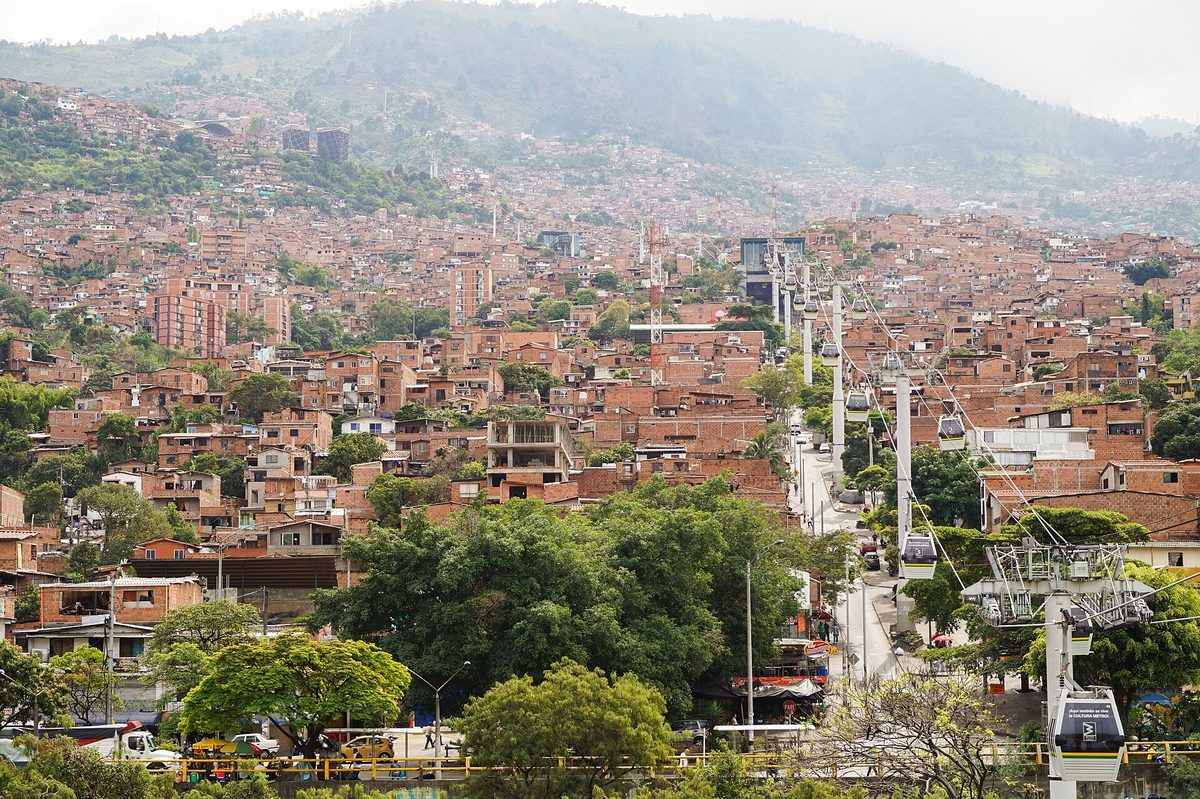
Photo: Bernard Gagnon via Wikimedia Commons, CC BY-SA 4.0
Medellín has developed an international remote-work scene, supported by coworking spaces, entrepreneurial networks, and a mild climate.
Its time zone is convenient for North American clients. However, neighborhood-specific safety concerns, rising accommodation costs, and the impact of short-term foreign residents deserve attention.
These six cities are examples rather than an official global ranking. Other destinations, including Bali, Valencia, Tbilisi, and Buenos Aires, also attract international remote workers.
What makes a destination appealing depends on much more than its popularity.
The Hidden Costs of Living Abroad
Moving to a country with lower living costs can be financially attractive, particularly for professionals earning in stronger currencies.
But rent and restaurant prices tell only part of the story.
International health insurance, immigration fees, flights, taxes, currency fluctuations, and accommodation deposits can quickly reduce expected savings.
Not every employer permits international remote work, either. Employment regulations, data security requirements, and tax obligations can restrict where employees are allowed to work.
The important question isn’t simply where life is cheapest, but where it can be financially, legally, and personally sustainable.
Why Countries Are Competing for Digital Nomads
Governments increasingly recognize the potential benefits of attracting professionals who earn income internationally while spending locally.
Countries including Portugal, Spain, Thailand, and Colombia have introduced immigration pathways for eligible remote workers.
These residents can support local restaurants, accommodation providers, coworking spaces, and other businesses.
However, attracting international professionals also raises difficult questions.
In cities already experiencing housing shortages, demand from higher-earning foreign residents can increase pressure on rental markets. The benefits of international mobility aren’t necessarily shared equally.
Successful policies need to balance economic opportunities with affordability and the interests of existing communities.
The Challenge Nobody Talks About Enough: Finding Community
The freedom to work from anywhere doesn’t automatically make it easy to build a social life.
According to MBO Partners’ 2025 research, approximately 19% of surveyed American digital nomads identified loneliness as a challenge, while 26% reported difficulties associated with being away from family and friends.
Moving frequently can make lasting friendships difficult. Even people who settle in one city for years may struggle to meet others outside their professional or international circles.
Coworking spaces offer professional connections, but networking isn’t always the same as friendship.
Language exchanges, cultural activities, outdoor adventures, and shared-interest communities can help people develop relationships beyond the workplace and connect with local residents.
Smileys Community started in Istanbul with a simple idea: bringing expats, digital nomads, international students, and internationally minded locals together through real-life experiences. What began as a local initiative is now growing into other cities, connecting people from different backgrounds through activities and friendships.
Because wherever people choose to live, finding a community can make the experience more meaningful.
The Future of Digital Nomadism: Less Moving, More Living?
The popular image of a digital nomad involves constantly traveling between countries with a laptop.
But location independence doesn’t necessarily mean perpetual movement.
Some professionals spend several months in each destination. Others establish a permanent home base while retaining the flexibility to travel.
For people settling somewhere longer, healthcare, stable housing, friendships, and everyday routines may become more important than sightseeing or nightlife.
The next phase of digital nomadism may therefore be less about collecting destinations and more about creating sustainable lifestyles.
Lisbon, Bangkok, Mexico City, Ho Chi Minh City, Chiang Mai, and Medellín each offer different possibilities. None is universally perfect.
The real opportunity created by remote work isn’t simply the freedom to change countries. It’s the freedom to build a life that better reflects your priorities.
And ultimately, being able to work from anywhere means more when you find somewhere you belong.
If you could live and work anywhere in the world, which city would you choose and what would matter most to you?
References
Inc. — Digital Nomads Are Leaving the U.S. for These 4 Cities — Kimanzi Constable, October 2026. Inspiration for the original four-city discussion.
MBO Partners — Digital Nomads Trends Report — 2025 research on digital nomad trends and challenges.
Royal Thai Embassy, Kuala Lumpur — Destination Thailand Visa (DTV) — Background information on Thailand’s remote-work visa.
Colombia Ministry of Foreign Affairs — Digital nomad visa announcement — Official immigration information.
Sound like your kind of Istanbul?
Smileys is where people here meet in real life — dinners, walks, clubs. Small, curated, no feed to scroll.