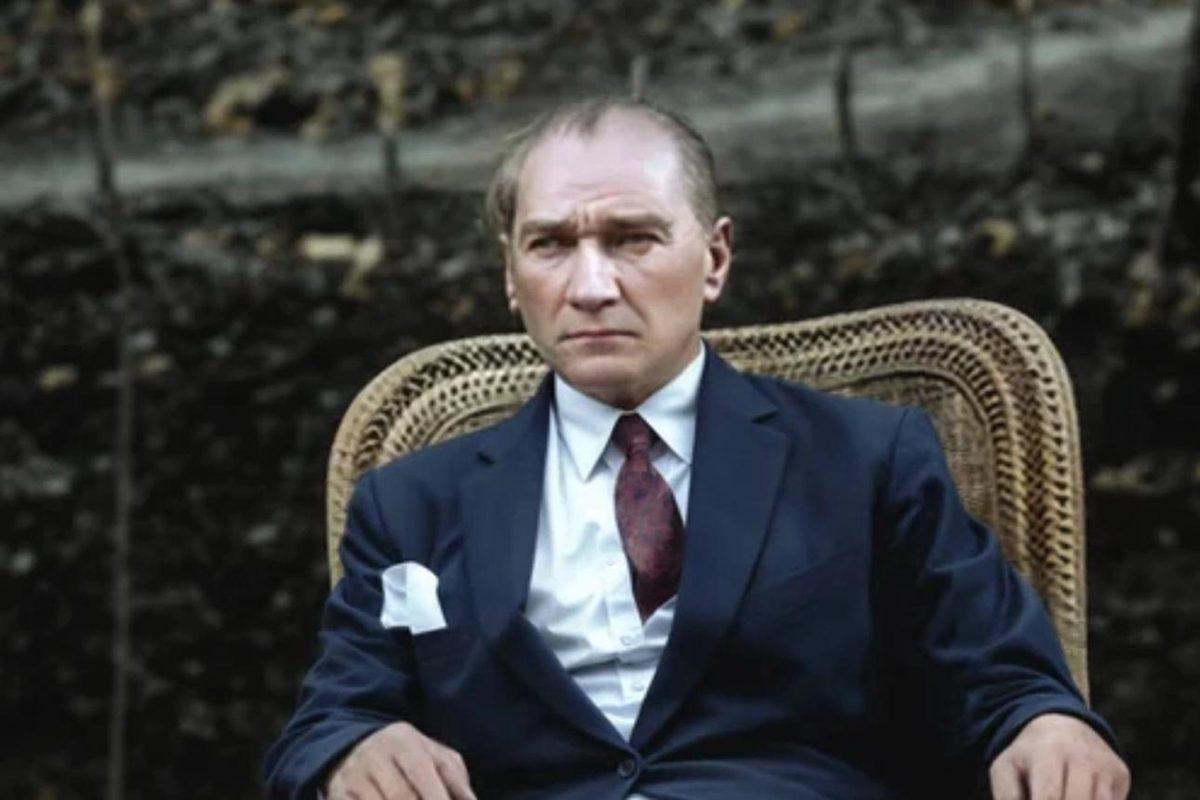
Understanding November 10: Atatürk and Modern Türkiye
The story behind the man who founded the Turkish Republic and the moment every year when Türkiye pauses to remember him.
Nate
Published 10 November 2026 · 👁 46 views
At 9:05 on a November morning, Istanbul does something unusual. A city that rarely slows down falls silent. Traffic stops, pedestrians pause, and ferries sound their horns across the Bosphorus. For two minutes, everyday life gives way to remembrance.
This happens throughout Türkiye every November 10, marking the anniversary of the death of Mustafa Kemal Atatürk, the founder of the Turkish Republic.
For international residents and visitors, witnessing this moment can be a powerful introduction to the country’s history. But who was Atatürk, and why does his memory remain so important nearly nine decades later?
The Making of Modern Türkiye
Born in 1881 in Salonika, then part of the Ottoman Empire, Mustafa Kemal first became widely recognised for his military leadership during the Battle of Gallipoli in 1915.
Following the First World War and the occupation of Ottoman territories, he led the national independence movement that eventually established a new sovereign state. On October 29, 1923, the Republic of Türkiye was proclaimed, with Atatürk as its first president.
His vision was ambitious: to transform the former empire into a modern republic.
During his presidency, Türkiye underwent major changes. A new Latin-based alphabet was introduced, education was reorganised, the legal system was reformed, and women gained the right to vote and stand for parliamentary elections in 1934. The country also adopted a secular system of government.
These reforms changed everyday life and helped shape the Türkiye we know today. Their legacy, including the political and social complexities of the period, continues to be discussed.
Beyond the Founder
Atatürk was also a man with a deep interest in books, history, music and the arts. He believed that education, science and culture were essential to the development of a society.
His approach to international relations was captured in a phrase that remains closely associated with his legacy: “Peace at Home, Peace in the World.” During his presidency, Türkiye joined the League of Nations and pursued regional cooperation with neighbouring countries.
His influence was therefore not limited to the creation of a new state; it also helped define Türkiye’s place in the international community.
November 10: A City Remembers
Atatürk died at 9:05 am on November 10, 1938, at Dolmabahçe Palace in Istanbul, overlooking the Bosphorus. He was 57.
Initially buried at Ankara’s Ethnography Museum, his remains were transferred to Anıtkabir, his monumental mausoleum in Ankara, in 1953.
Today, November 10 is observed across Türkiye with ceremonies, tributes and two minutes of silence.
In Istanbul, the connection feels particularly personal. Dolmabahçe Palace remains a place of remembrance, while the Bosphorus provides the setting for one of the country’s most recognisable annual traditions.
If you are in Türkiye on November 10, take a moment at 9:05. You will see people from different generations and backgrounds pause together. You do not need to speak Turkish to appreciate the significance of that moment.
Understanding Atatürk is part of understanding modern Türkiye: its history, its institutions and the ideas that continue to shape its society.
And sometimes, the best way to understand a place is to experience the moments that matter to the people who call it home.
Comments